How to Use WhatsApp Broadcast for Promotions and Offers in Saudi Arabia
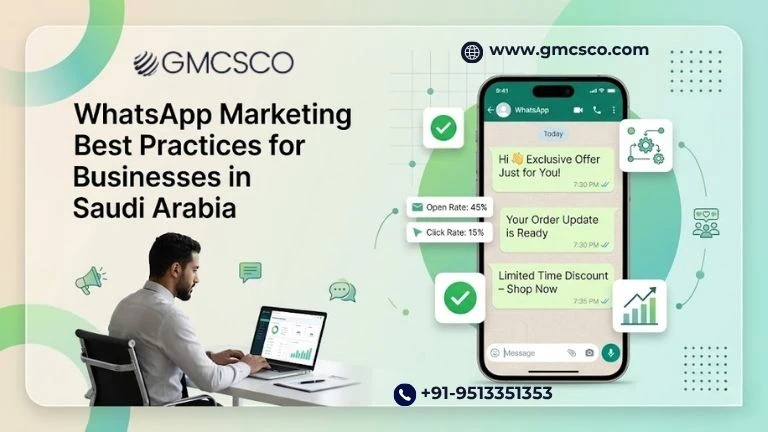
If you are running a business in Saudi Arabia right now, you are probably facing a familiar problem. Customers are harder to reach. Email open rates are declining. Social media algorithms are unpredictable. Paid ads are getting more expensive every quarter. Yet one channel continues to outperform almost everything else in terms of visibility and engagement. WhatsApp. With extremely high open rates and daily usage across Saudi Arabia, WhatsApp has quietly become one of the most powerful business communication tools available today. But here is the catch. Most businesses are still using it incorrectly. They either send random messages, spam customers, or fail to build structured campaigns that actually convert. That is where WhatsApp Broadcast comes in. When used strategically, it can become a high ROI marketing engine for promotions, offers, and customer engagement. Get WhatsApp Marketing Plan The Real Problem: Why Traditional Promotion Channels Are Failing Before we dive into WhatsApp Broadcast, it is important to understand why businesses are actively looking for alternatives. Email Fatigue Customers are overwhelmed with emails. Even important promotional campaigns often get ignored. Low Organic Reach Social platforms limit visibility unless you invest in paid promotions. Delayed Communication SMS and email lack real time conversational engagement. Lack of Personalization Most traditional campaigns are not tailored to individual customer behavior. Rising Acquisition Costs Getting new customers is becoming more expensive than retaining existing ones. This creates a clear gap. Businesses need a direct, personal, and high engagement communication channel. WhatsApp fills that gap. A quick strategic thought If your business relies heavily on repeat customers or frequent offers, it is worth exploring conversational channels that allow direct engagement instead of passive communication. Why WhatsApp Marketing Matters in Saudi Arabia Saudi Arabia is one of the fastest growing digital economies in the Middle East. Here are a few key realities: Smartphone penetration is extremely high WhatsApp is one of the most widely used messaging apps Customers prefer direct and instant communication Businesses are rapidly adopting digital engagement tools This means one thing. Customers are already on WhatsApp. The question is whether your business is using it effectively. For businesses in retail, healthcare, real estate, travel, fintech, and ecommerce, WhatsApp is no longer optional. It is becoming a primary communication channel. Also Read About WhatsApp Broadcast vs WhatsApp Business API What is WhatsApp Broadcast and How Does It Work Let us simplify this. A WhatsApp Broadcast allows you to send a single message to multiple contacts at once without creating a group. Each recipient receives the message privately as if it was sent individually. Key Characteristics Messages appear as personal chats Customers cannot see other recipients Replies come directly to your business Works only with users who have saved your number This last point is critical. WhatsApp Broadcast is permission based. Which means it aligns with modern privacy standards and customer expectations. Why WhatsApp Broadcast is Powerful for Promotions Now let us connect the dots. Why should businesses in Saudi Arabia use WhatsApp Broadcast for promotions and offers? Extremely High Open Rates Unlike emails, WhatsApp messages are usually read within minutes. Direct Customer Reach No algorithms. No visibility restrictions. Personal Experience Messages feel one to one rather than mass marketing. Instant Action Customers can respond, click, or convert immediately. Cost Effective Lower cost compared to paid advertising channels. Strategic insight Businesses that combine WhatsApp Broadcast with customer segmentation often see significantly higher conversion rates compared to generic campaigns. Talk to Strategy Expert Practical Use Cases for WhatsApp Broadcast in Saudi Arabia Let us look at real business scenarios where WhatsApp Broadcast works effectively. Retail Businesses Flash sales New product launches Seasonal promotions Healthcare Providers Appointment reminders Health packages and offers Preventive care campaigns Real Estate Companies Property launch announcements Limited time investment offers Site visit invitations Ecommerce Brands Abandoned cart reminders Exclusive discount codes Product recommendations Hospitality and Travel Holiday packages Last minute deals Loyalty offers Advisory insight If your business has repeat customers or time sensitive offers, WhatsApp Broadcast can significantly improve engagement and response rates. Explore WhatsApp Automation Step by Step: How to Use WhatsApp Broadcast for Promotions Here is a practical approach to implementing WhatsApp Broadcast effectively. Step 1: Build an Opt In Contact List You cannot just add random numbers. Customers must: Save your number Agree to receive messages Ways to collect opt ins: Website forms Checkout pages QR codes in store Social media campaigns Step 2: Segment Your Audience Not all customers are the same. Segment based on: Purchase history Location Interests Customer lifecycle stage This allows you to send highly relevant promotions. Step 3: Create Value Driven Messages Avoid spam. Instead, focus on: Exclusive offers Limited time discounts Personalized recommendations Useful updates Example: Instead of “Buy now 50% off” Try “Hi Ahmed, we have a limited time offer on your favorite product category. Would you like early access?” Step 4: Use Clear Call to Action Every message should guide the customer. Examples: Shop now Book appointment Reply to confirm Click to view offer Step 5: Monitor Responses and Optimize Track: Response rate Conversion rate Customer feedback Improve your campaigns based on real data. Strategic thought Businesses that integrate WhatsApp campaigns with CRM and automation tools can scale this process without increasing manual workload. Also Read About WhatsApp marketing campaign ideas for Saudi businesses Business Benefits and ROI Impact Using WhatsApp Broadcast is not just about sending messages. It directly impacts business performance. Increased Customer Engagement Higher response rates compared to email or SMS Improved Conversion Rates Personalized messaging drives action Faster Sales Cycles Real time communication reduces delays Better Customer Retention Regular engagement builds relationships Reduced Marketing Costs Less reliance on paid channels Common Mistakes Businesses Make Even though WhatsApp Broadcast is powerful, many businesses fail to use it correctly. Sending Too Many Messages Leads to customer annoyance and opt outs Ignoring Personalization Generic messages reduce engagement Not Segmenting Audience Irrelevant offers lower conversion Lack of Strategy Random messaging without clear goals No Automation Manual handling limits scalability Advisory insight
How to Use WhatsApp Broadcast for Promotions and Offers in Saudi Arabia Read More »