WhatsApp Automation for Internal Employee Communication in the UAE
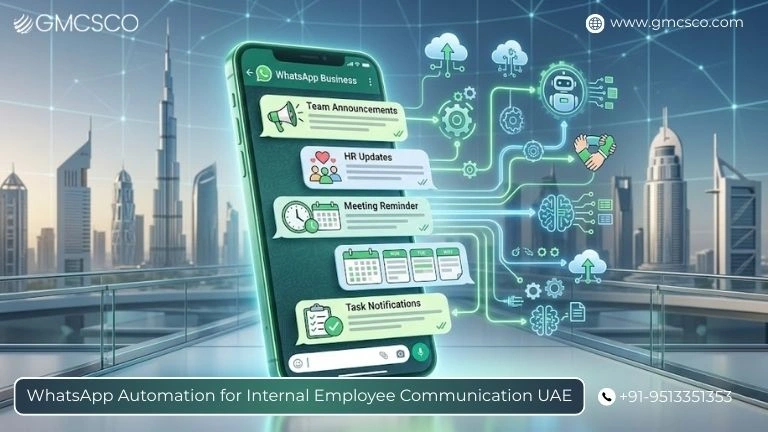
Imagine running a bustling business in Dubai, where your team is spread across offices, remote locations, and even international borders. You need quick updates on projects, instant feedback from employees, and seamless coordination without drowning in endless email threads or disorganized group chats. This is where WhatsApp automation steps in as a game changer for internal employee communication. In the fast paced UAE business landscape, companies are turning to smart tools to keep their workforce connected and productive. As a VP of SEO Content Strategy with over 15 years in optimizing content for Google and AI search engines, I have seen how automation transforms operations for B2B SaaS firms and startups alike. Today, we dive into WhatsApp automation tailored for internal use in the UAE, helping business owners, marketing leaders, and enterprise decision makers streamline their teams. Whether you are a startup founder in Abu Dhabi or a corporate executive in Sharjah, this guide offers practical insights to boost efficiency. The Hidden Challenges in Internal Employee Communication Every business faces roadblocks in keeping employees aligned. In the UAE, where diverse workforces from various nationalities collaborate, communication gaps can lead to misunderstandings and delays. Think about HR teams juggling onboarding for new hires while fielding queries from existing staff about policies or benefits. Operational hurdles compound this. Remote work, amplified by the post pandemic shift, means teams might be in different time zones. Manual messaging leads to overlooked notifications, compliance risks under UAE labor laws, and wasted time chasing responses. For marketing leaders, coordinating campaigns across departments becomes a nightmare without centralized tools. These issues are not just annoyances. They impact productivity, employee satisfaction, and ultimately, the bottom line. Businesses in competitive sectors like tech and finance cannot afford such inefficiencies. Why WhatsApp Automation Matters in the UAE Business World The UAE stands out as a global hub for innovation, with free zones in Dubai and Abu Dhabi attracting startups and enterprises. Here, digital transformation is key, driven by initiatives like Vision 2031, which emphasizes smart technologies for economic growth. Globally, internal communication tools are evolving, but WhatsApp holds a unique edge in the UAE due to its widespread adoption. Over 90 percent of residents use it daily, making it a natural fit for employee interactions. Automation elevates this from casual chats to structured, efficient systems. In a market where speed is everything, adopting such solutions helps companies stay ahead. It addresses talent retention challenges in a transient expat heavy workforce and supports hybrid models prevalent in sectors like real estate and hospitality. If you are exploring ways to enhance team collaboration, consider how automation aligns with your goals. Consulting experts in AI driven tools can provide tailored advice to get started. Understanding WhatsApp Automation in Simple Terms At its core, WhatsApp automation uses the platforms API to create programmed responses, notifications, and workflows for internal use. It is not about spamming employees but building intelligent systems that handle routine tasks. For instance, integrate it with HR software to send automated reminders for training sessions or policy updates. AI powered chatbots can answer common queries like leave balances or expense reimbursements, freeing up managers. In the UAE, where data privacy under PDPL (Personal Data Protection Law) is crucial, automation ensures secure, compliant communication. It turns WhatsApp into a professional tool, similar to Slack or Microsoft Teams, but with the familiarity employees already love. Also Read About Automated WhatsApp Chatbot for Employee Real World Business Examples and Use Cases Picture a Dubai based logistics firm using WhatsApp automation to coordinate field teams. Drivers receive automated route updates and delivery confirmations, while managers get real time status reports. This cuts down on phone calls and errors. For marketing leaders in startups, automated polls and feedback loops via WhatsApp help gauge campaign ideas quickly. An enterprise in Abu Dhabi might use it for employee wellness checks, sending personalized messages based on survey responses. In retail, shift scheduling becomes effortless with bots confirming availability. These use cases show how it fits diverse industries, from fintech to education, enhancing employee engagement without overwhelming IT resources. Step by Step Guide to Implementing WhatsApp Automation Getting started is straightforward if approached methodically. First, assess your needs. Identify pain points like slow response times or information silos in your team. Next, choose the right setup. opt for WhatsApp Business API, which supports automation unlike the standard app. Partner with a verified provider to handle integration, ensuring compliance with UAE regulations. Then, map out workflows. For example, connect it to your CRM for automated onboarding messages. Test small, like starting with HR queries, before scaling to full team use. Train your staff on the new system to maximize adoption. Monitor metrics like response rates to refine it over time. If this seems complex, reaching out to specialists in business automation can simplify the process and ensure a smooth rollout. Unlocking Business Benefits: Efficiency and ROI The payoffs are significant. Automation reduces administrative time by up to 40 percent, allowing employees to focus on high value tasks. In the UAE, where labor costs are competitive but talent is premium, this boosts ROI quickly. Enhanced engagement leads to lower turnover. Employees appreciate instant, accessible communication, fostering a positive culture. Measurable outcomes include faster decision making and reduced errors, directly impacting revenue. For startups, it scales with growth without proportional costs. Enterprises see improved compliance and data insights from automated logs. Also Read About Predictive AI for WhatsApp Chatbot Common Pitfalls Businesses Face Without Automation Many companies stick to manual methods, leading to fragmented communication. Emails get buried, and group chats become chaotic, causing missed deadlines. Ignoring automation exposes risks like data breaches from unsecured sharing. In the UAE, non compliance with communication standards can invite fines. Over reliance on verbal updates erodes accountability. Businesses often underestimate these until productivity dips, highlighting the need for proactive solutions. Emerging Trends in WhatsApp Automation and Market Shifts Looking ahead, AI integration will deepen. Expect advanced chatbots using natural language processing for nuanced employee interactions.
WhatsApp Automation for Internal Employee Communication in the UAE Read More »